Action cameras for family adventures: buy for the outing
Decide whether an action camera suits family bike rides, beach days and travel without overspending on accessories.
Research-led guidance based on published information and practical selection criteria. We have not performed hands-on testing of the products discussed.
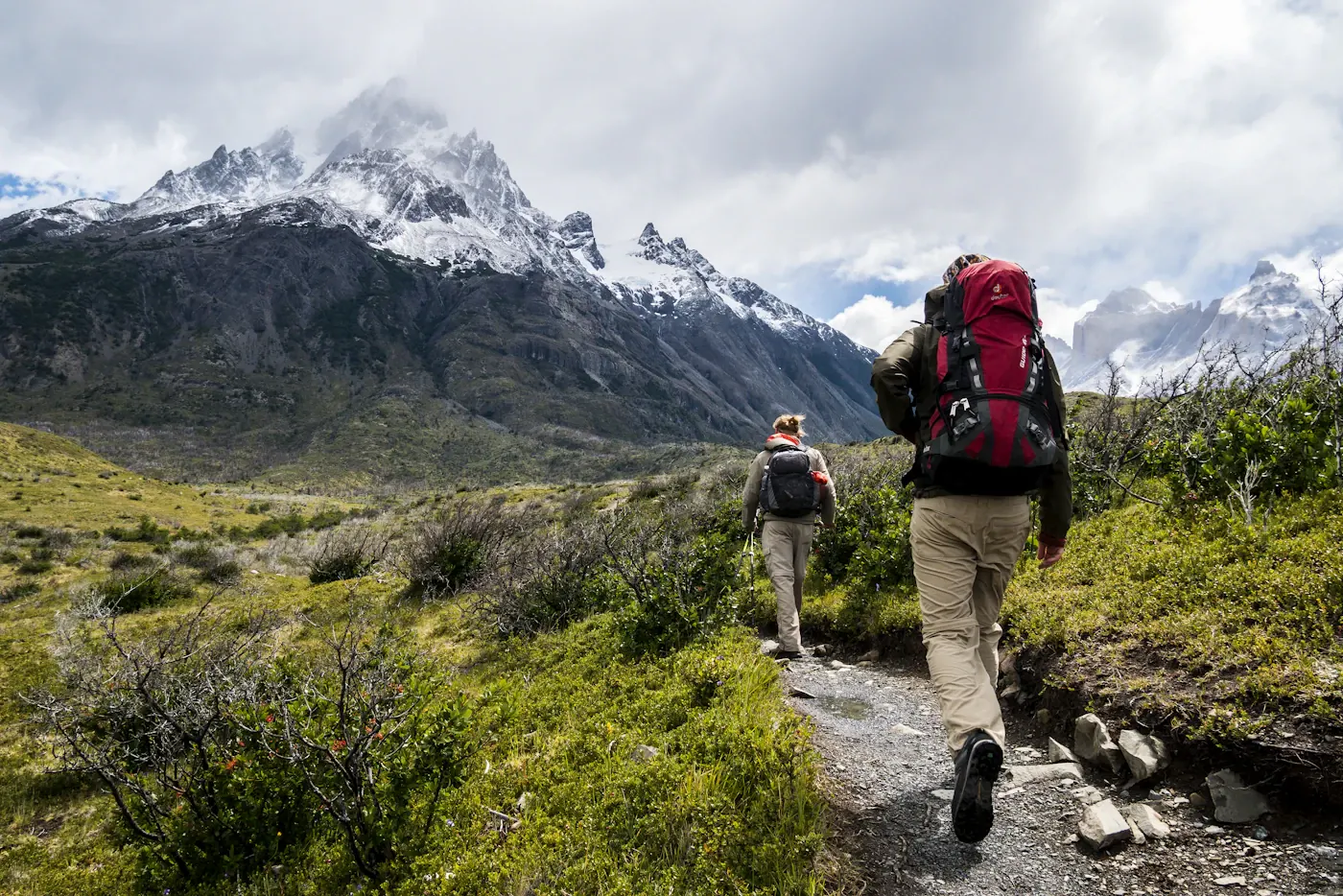
A family bike ride includes bumpy paths, a picnic, and children who would rather keep moving than stop for photographs. An action camera promises to record the outing while your hands remain free. It can suit that job, but mounts, battery planning, and editing time determine whether the footage becomes a useful family memory or another folder nobody opens.
Short verdict
Buy an action camera when secure mounting, compact size, and activity-focused recording solve a problem your phone does not. Check the exact model’s environmental limits and the suitability of every mount. For mostly indoor family photographs or calm sightseeing, a phone may be the easier choice.
Match camera style to the activity
| Family activity | Useful priority | Tradeoff |
|---|---|---|
| Bike rides on ordinary trails | Secure compatible mount and stabilization options | Mount placement affects the view |
| Beach and pool outings | Documented water limits and sealing instructions | Conditions and maintenance still matter |
| Walking holidays | Light weight and simple controls | Phone may already do the job |
| Evening gatherings | Low-light suitability | Small action cameras are not universal solutions |
Official GoPro and DJI pages outline their action-camera ranges and link to model specifications. Use those details to check operating limits rather than applying one model’s claims to the whole category. Water resistance, supported accessories, and recording modes vary, sometimes substantially.
Think about the final use before selecting a demanding recording mode. Sharing a short family clip on a phone is a different task from cropping footage for a large-screen edit. Higher recording settings can increase storage and processing needs, so the most ambitious mode may not be the practical everyday choice.
Mounting is part of the purchase
A camera is only as useful as its safe, appropriate position. Check the manufacturer’s mount instructions and ensure the chosen attachment suits the surface and activity. Do not assume an adhesive accessory works equally well on every material or weather condition. Follow relevant helmet and equipment guidance rather than modifying protective gear casually.
Consider the viewpoint. A handlebar mount and a chest mount can produce very different framing, and straps or clothing may obstruct controls. Test the arrangement in a low-risk setting before an outing. Secure equipment so it does not create hazards for other people, and keep attention on riding rather than checking the screen.
Ask permission before filming people closely, particularly children outside your family. Local rules and venue policies may also affect recording. A compact camera can be discreet, but that is not a reason to ignore other people’s privacy.
Check batteries, cards, and water instructions
Confirm the supported memory-card requirements for the recording mode you plan to use. A card that stores photographs successfully may not sustain a demanding video mode. Buy from a trustworthy retailer and follow the camera maker’s recommendations. Our video memory-card guide explains the relevant labels.
Plan power for the duration of the outing without relying on a headline battery estimate. Conditions and recording settings influence endurance. Check whether batteries are replaceable, how they charge, and whether any accessory affects environmental protection.
For water use, follow the exact depth, sealing, and maintenance instructions for the model and housing. Do not assume that charging doors, aftermarket accessories, or damaged seals preserve the original protection. Rinsing or cleaning instructions should come from the manufacturer, especially after saltwater or sand exposure.
Spend for repeat use
Start with the camera, appropriate card, necessary mount, and protective transport. Extra lights, elaborate cages, and a large accessory kit can wait until actual outings reveal a need. Include editing and storage in the plan: video files need organizing and backing up, and editing can take longer than capturing them.
Simple controls are valuable when several family members share the camera. Review how to start and stop recording, check remaining storage, and identify whether a clip was captured. A missed recording cannot be repaired by better specifications.
Who should skip it?
Skip a dedicated action camera if you primarily want family portraits, expect effortless indoor night footage, or dislike managing video files. A phone with careful framing may be the more convenient option. If creative still photography is the goal, our camera-versus-phone comparison offers a different buying path.
FAQ
Is every action camera waterproof?
No. Protection depends on the model, condition, accessories, and documented limits. Read the official instructions before exposing it to water.
Do I need the highest available resolution?
Not necessarily. Match the setting to viewing, editing, storage, and battery needs. Test a manageable recording mode first.
Should I buy a large accessory bundle?
Only if the accessories are appropriate, compatible, and safe for your activities. A few reliable mounts are more useful than many attachments you never use.
Sources & further reading
Consult these official resources for technical details and compatibility. Product availability, specifications, and terms can change; verify the exact model before buying.
Spotted an error? Send a correction to Smartvora.